Epoxy Flooring Maintenance: How to Keep Floors Looking New

We’ve covered what epoxy flooring in Melbourne costs and how it stacks up against polished concrete and tiles. So say you’ve had it installed – what actually keeps an epoxy floor looking good for the long haul? The good news is epoxy is genuinely one of the lower-maintenance flooring options out there. The bad news is a handful of common habits can shorten its life if you don’t know to avoid them.

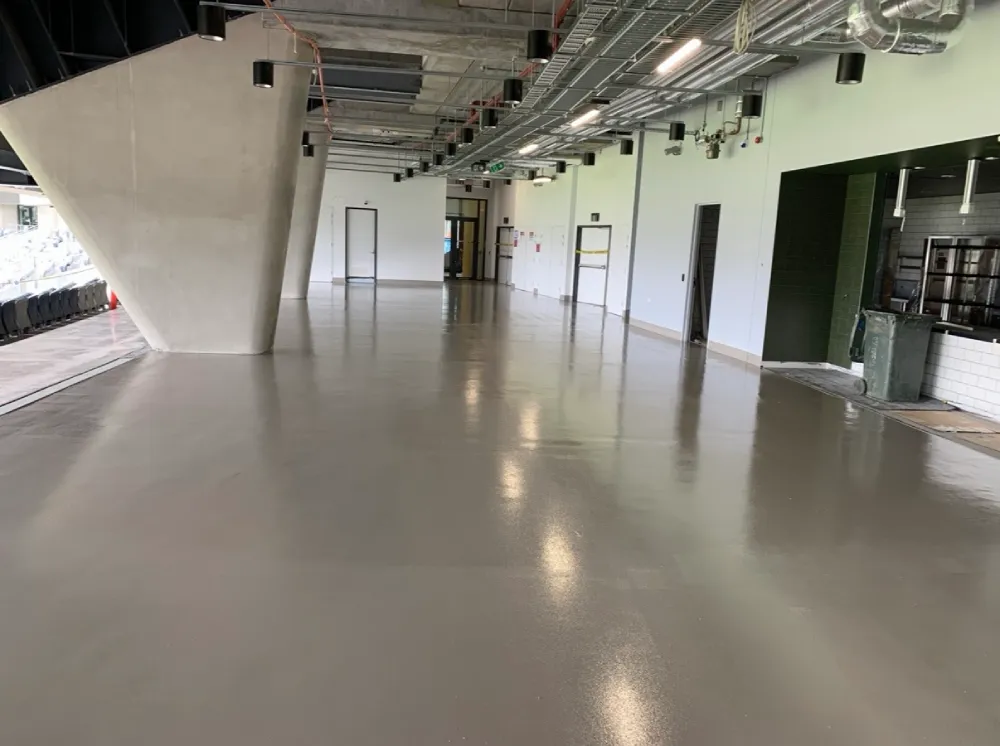
Cleaning and maintaining an epoxy flooring finish.

Everyday Cleaning: What Epoxy Actually Needs

For most garages and living spaces, a regular sweep or vacuum to clear grit is the single most useful habit – loose dirt and sand act like sandpaper under foot traffic and tyres, and that’s what dulls a glossy finish over time, not age. Follow that with an occasional mop using warm water and a pH-neutral cleaner. Avoid strong ammonia-based or acidic cleaning products – they can dull the topcoat and, over years, break down the finish.

What Actually Damages an Epoxy Floor?

Epoxy is tough, but it isn’t indestructible. The most common causes of premature wear we see are: dragging heavy metal furniture, tools or equipment across the floor instead of lifting or using pads; hot tyre pick-up, where a hot tyre from a long drive can soften and lift some coatings if the system wasn’t specified for it; and prolonged exposure to strong solvents or undiluted chemicals left sitting on the surface rather than wiped up.

Dealing with Scratches, Stains and Scuffs

Light surface scuffs can usually be buffed out with a soft pad and a small amount of cleaner. Fresh spills – oil, brake fluid, even wine – wipe up easily if you get to them before they sit for days. Deeper scratches or gouges are usually a sign the topcoat has been compromised in that spot, and they’re worth getting looked at rather than left, since they can be a starting point for lifting.

When Does an Epoxy Floor Need Recoating?

With normal residential use, a well-installed epoxy floor can hold its finish for well over a decade. Heavier daily traffic – a busy workshop, a shared driveway, a commercial kitchen – will wear the topcoat faster, and a fresh clear coat every several years can extend the working life significantly without redoing the full system underneath.

When to Call a Professional Instead of DIY-Fixing It

Cosmetic cleaning and light buffing are fine to handle yourself. Cracking, lifting at the edges, bubbling, or a section that’s visibly delaminating from the concrete are structural issues, not cosmetic ones – patching over them without addressing what caused it usually just means doing the repair twice.

Ready for a firm number instead of a rough range?

FAQs

Sweep or vacuum regularly to remove grit, then mop occasionally with warm water and a pH-neutral cleaner – avoid ammonia-based or acidic products.
Dragging heavy items across it, hot tyre pick-up from long drives, and strong solvents or chemicals left sitting on the surface are the most common causes of early wear.
With typical residential use, well over a decade before the topcoat needs refreshing; heavier commercial or workshop traffic will wear it faster.
Light scuffs can usually be buffed out; deeper scratches or gouges are worth having assessed, since they can be a starting point for lifting.
If you see cracking, lifting at the edges, bubbling or delamination from the concrete – these are structural issues that need proper repair, not just a cosmetic fix.

Get a Free Quote

Ready to bring your vision to life? Contact us today for a free quote and let's get started!

0403 234 777

Consult with Expert